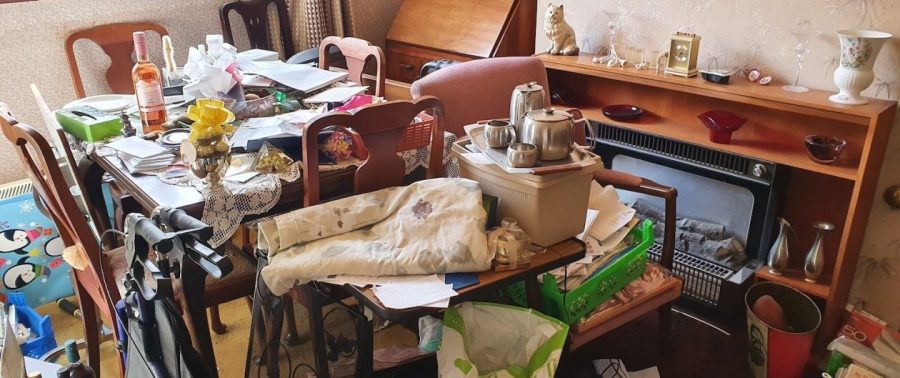
Getting the Most from Your Space: Why Smart Clearances Reduce Waste and Reclaim Value
When a home or business accumulates unwanted items, the instinct is often to clear everything at once. Yet this approach rarely maximises the benefit of the space reclaimed or makes the best use of materials that could still serve a purpose elsewhere. A more thoughtful strategy—one that considers what deserves attention first, what might be repurposed, and how to handle different types of waste responsibly—turns clearance from a disposal problem into an opportunity to recover value and function.
Many property owners delay clearances precisely because the task feels overwhelming. A garage filled with decades of accumulated boxes, a garden choked with overgrown vegetation, or a property awaiting refurbishment after renovation work all represent genuine challenges. The physical effort of sorting, lifting and transporting heavy items deters action, and uncertainty about proper disposal methods compounds the reluctance. This delay often means spaces remain unusable and materials sit idle that could otherwise be recycled or given a second life.
Understanding what different types of waste require helps you approach clearance more strategically. General household rubbish, bulky furniture, garden materials and construction debris each have different handling needs. Some items may still have resale or donation potential, whilst others require proper disposal at licensed facilities. Appliances like washing machines and refrigerators contain materials that must be processed safely. Breaking down a clearance into these categories—rather than treating everything as one undifferentiated pile—makes the whole project more manageable and ensures nothing valuable is lost to a skip.
The physical demands of clearance work are easily underestimated. Lifting a sofa, moving a mattress, hauling bags of garden waste or carrying rubble all create genuine strain, particularly for anyone working alone or managing a property remotely. The carrying and loading alone can account for most of the time and effort involved. When these elements are handled by a team with the right equipment, the psychological barrier to starting the work often disappears, and the job itself moves forward with far greater efficiency.
Timing clearances around other life changes makes practical sense. A landlord preparing a property for new tenants benefits from knowing the clearance will be completed within a set timeframe, allowing decoration and finishing work to follow smoothly. A householder undertaking renovations needs building debris removed so contractors can work safely and later phases can progress. A business relocating needs commercial waste cleared before handover. These situations all benefit from a service that can discuss availability, confirm arrangements in advance and deliver results reliably.
The responsible disposal of waste matters both legally and practically. Licensed waste carriers maintain proper records, ensure materials reach appropriate facilities and prioritise recycling and reuse wherever possible. This approach protects the environment and ensures compliance with waste regulations. Wrexham clearances handled by properly licensed teams provide the documentation and accountability that responsible waste management demands, particularly important for construction debris and commercial materials where tracking is essential.
Making Clearance Fit Your Property and Situation
Not every property requires the same clearance approach. A Victorian terrace with a small, packed rear garden faces different challenges from a modern detached house with extensive grounds. A commercial property undergoing refurbishment generates different materials from a residential garage clearance. Appliances, garden waste, rubble and general household items all need specific handling. A service that discusses the actual contents and scale of what needs removing can provide an accurate quotation and realistic timescale, rather than applying a standard solution to every job.
Access and logistics significantly affect how clearance work proceeds. A narrow terraced property with limited parking nearby requires different planning than a property with a driveway and open access. Upper-floor apartments need particular care when removing bulky items. Recognising these practical constraints upfront allows teams to work efficiently without damage or disruption, and helps customers understand what the process will actually involve.
Breaking Clearance into Workable Stages
Large clearances often work better when tackled in phases rather than as a single overwhelming event. A landlord preparing a property might clear general household waste first, then handle larger furniture separately, allowing time for proper sorting and donation of items still in good condition. A householder clearing a garage over time can remove accumulated boxes gradually whilst still maintaining access to working tools and equipment. Someone managing a property from a distance can schedule collections around their visits, making the process less disruptive and more manageable.
Staged clearances also allow for better decision-making. Under time pressure, items get discarded that could have been useful, sold or donated. Breaking the work into phases gives people opportunity to identify what genuinely needs removing and what might be kept, sold or given away. This approach often produces better outcomes than rushing through a complete clearance in a single afternoon.
What Different Clearances Actually Involve
A garden clearance typically includes removing overgrown vegetation, accumulated pots, old fencing materials and general garden waste. These materials are bulky but often lighter than furniture, and garden waste can frequently be composted or shredded rather than simply discarded. A garden project works better with a team that can handle the heavy work of cutting, lifting and loading, leaving the householder free to manage the pruning decisions.
Furniture and bulky item removal requires careful handling to avoid damage to properties and doorways. A sofa, wardrobe or bed frame is awkward to navigate through corridors and down stairs, and attempting this alone often results in marks, scratches or damaged items. Professional removal teams understand weight distribution, access routes and safe handling, completing the work without incident.
Building waste and rubble from renovations includes bricks, plasterboard, timber offcuts and mixed debris. This material is heavy and requires disposal at facilities equipped to handle construction waste. Proper segregation of materials at the point of collection helps ensure recycling rather than landfill, and maintains compliance with building site waste regulations.
Appliance and white goods removal is particularly important for environmental reasons. Refrigerators, washing machines and other electrical items contain materials like refrigerant gases and metals that must be handled safely. These items should never go into general waste, and professional removal ensures safe and legal disposal.
Preparation That Makes Clearance Smoother
When arranging a clearance, providing accurate information about what needs removing saves time and ensures an honest quotation. Describing the contents—how many bags of general rubbish, what furniture pieces, garden materials, building debris or appliances—helps the service understand the scale of work. Photographs are particularly useful for bulky items, as they clarify condition and size far better than description alone.
Understanding access to the property matters too. Confirming parking availability, noting narrow passages or awkward stairs, and identifying any gates or security requirements all help the team plan their work efficiently. If materials are already loosely sorted—general waste separated from furniture and garden materials, for example—the collection itself becomes faster.
Knowing which items are definitely staying helps clarify the scope. A garage clearance might involve removing everything except working tools stored there, or clearing completely and starting fresh. Being explicit about this avoids confusion on the day and ensures the right items remain when the team leaves.
Building the Opportunity into Timing
Clearance often aligns with specific moments when action makes most sense. A landlord with a new tenant starting in two weeks has a clear deadline and knows the property must be ready by then. Someone beginning a renovation project needs the space clear before contractors arrive. A business relocating to new premises needs old stock and equipment removed before handover. These defined timescales make it easier to commit to a specific collection date and work backwards from that point to prepare the property.
Even without an immediate deadline, fixing a date often breaks the inertia that delays clearance. Once a collection is booked, the momentum tends to build—items get sorted, the space begins to look different as items are removed, and the benefit of the freed-up room becomes immediately apparent. Many people find that one successful clearance, particularly when handled smoothly by a professional team, makes them more willing to tackle future clearances promptly rather than allowing accumulation to build up again.
The Value of Doing It Properly
A clearance completed responsibly and efficiently reclaims not just physical space but also mental clarity and functional property. A garage that becomes a working workshop rather than a storage dump. A garden that can be properly maintained and enjoyed. A property ready to welcome new tenants or new owners without the weight of previous accumulation. A commercial space cleared and ready for its next use. These outcomes depend on the clearance being thorough, the materials being handled appropriately and the whole process running smoothly enough that the space can immediately be put to its intended purpose.
The investment in professional clearance is essentially an investment in using your property better. Whether that means reclaiming space for daily life, preparing a property for change, managing a renovation project efficiently or simply removing the mental burden of accumulation, the practical value extends well beyond the immediate act of removal.
Get in Touch:
Apex Waste & Clearances
12 Ffordd Kayton, Wrexham LL14 3RB
07808 022813
apexclearances.com