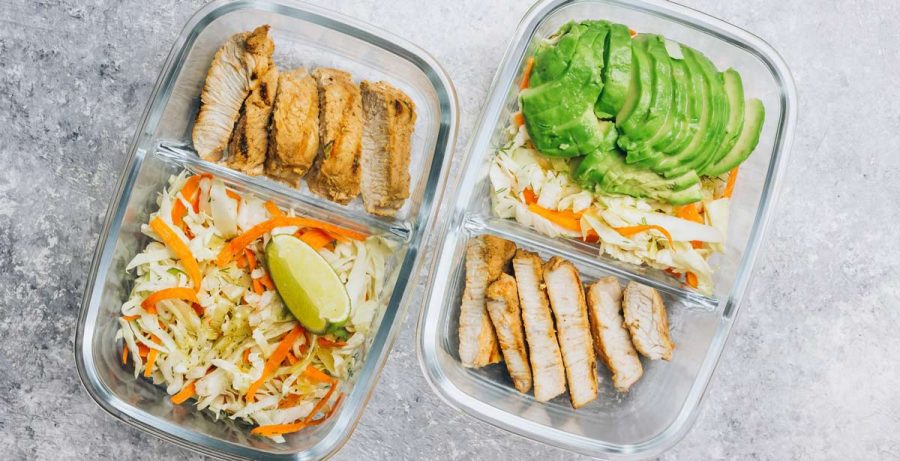
Cheap Keto Meals: Eating Low-Carb Without Breaking the Bank
The ketogenic diet has surged in popularity in recent years, praised for its focus on low carbohydrates, moderate protein, and high fat. Many people turn to keto not just for weight management but also for increased energy, better blood sugar control, and improved mental clarity. Despite its many benefits, one common concern is the perception that keto is expensive. With specialty items and premium ingredients often associated with the lifestyle, it’s easy to assume a low-carb way of eating comes with a high price tag. The good news is that it doesn’t have to. With a bit of planning and creativity, it’s entirely possible to enjoy satisfying and effective cheap meals while sticking to a keto lifestyle.
Eating keto on a budget starts with understanding which foods provide the best nutritional value per cost. Some of the most nutrient-dense and keto-friendly foods are surprisingly affordable. Eggs, for example, are a staple in many keto meal plans and offer excellent value. They are rich in protein and healthy fats, versatile enough for a range of recipes, and widely accessible at a low cost. Similarly, leafy greens, tinned fish, and ground meats can form the base of many cheap meals that are both filling and aligned with keto principles.
When people hear the term cheap meals, they sometimes assume a sacrifice in quality or nutrition. However, with keto, that doesn’t need to be the case. By focusing on whole foods and avoiding packaged or convenience items, you’re not only cutting costs but also improving the overall health profile of your diet. Buying fresh produce in season, choosing generic brands, and purchasing items in bulk are all strategies that support both your budget and your commitment to low-carb eating.
Meal planning is one of the most effective ways to ensure you stay on track with keto while keeping your food expenses low. Planning meals for the week ahead reduces impulse purchases and food waste, both of which can drive up grocery bills. When you have a clear idea of what you’re eating and what ingredients you need, you’re less likely to overspend or turn to costly takeout options. Cooking at home also gives you full control over your ingredients, ensuring everything fits your keto macros and avoids hidden sugars or carbs.
A big part of creating cheap meals on keto involves learning to repurpose ingredients. Roasting a whole chicken, for instance, can yield several meals. The meat can be used for salads, wraps (using lettuce instead of bread), soups, or casseroles. The bones can be simmered into a nutritious broth that serves as the base for more dishes. This kind of approach stretches your grocery budget further while helping you make the most of each item.
Batch cooking and freezer-friendly meals are another secret to mastering keto on a budget. Preparing larger portions of soups, stews, or casseroles and freezing them in portions saves both time and money. These meals can be easily reheated, making it convenient to stay on track even on busy days. It also reduces the temptation to splurge on more expensive convenience foods that may not align with your diet.
Affordable keto cooking also means embracing humble yet highly adaptable ingredients. Cabbage, cauliflower, and zucchini are low-cost vegetables that can be transformed into a variety of dishes, from stir-fries to casseroles to faux rice or noodles. Canned tomatoes, herbs, and spices can add depth and flavor without increasing the cost significantly. Combining these inexpensive items in creative ways allows for variety and satisfaction, which are essential to sticking with any diet long-term.
For many, the struggle with budgeting on keto lies in the high cost of alternative products like almond flour, coconut flour, or low-carb snacks. While these items can be helpful, they are not essential to a successful keto diet. Sticking to basic whole foods and only occasionally using specialty products can help reduce expenses. Instead of baked goods replacements or pre-packaged items, focus on simple meals made from meat, vegetables, healthy fats, and a few well-chosen pantry staples.
Shopping strategies also play a role in making cheap meals a reality. Taking advantage of sales, discounts, and store-brand products can significantly cut costs. Visiting discount grocers, shopping at local markets, or joining wholesale clubs can help access lower prices for high-quality ingredients. Keeping an eye on what’s in season and adapting your meal plan accordingly not only supports local agriculture but also reduces your overall grocery spend.
Another often-overlooked aspect of budgeting on keto is reducing food waste. By properly storing produce, freezing leftovers, and using up ingredients before they spoil, you maximise the value of your purchases. Keeping a running inventory of what’s in your fridge and pantry helps you plan meals based on what you already have, reducing the need for extra trips to the store or last-minute buys.
Protein sources are often the most expensive part of any diet, but there are budget-friendly options that align perfectly with keto. Chicken thighs, ground beef, tinned fish, and even plant-based proteins like tofu can all be used in cheap meals that don’t sacrifice flavour or nutrition. Pairing these with filling vegetables and healthy fats like olive oil, butter, or avocado keeps meals satisfying and energising.
The key to succeeding with cheap keto meals lies in flexibility and willingness to experiment. You might discover new favorite dishes or cooking methods simply by trying what’s available and affordable. Embracing simplicity, especially in busy weeks, can take the pressure off and keep you consistent. A one-pan meal of sautéed greens, eggs, and cheese, for instance, is quick, cheap, and keto-friendly, yet feels nourishing and complete.
Social media and community forums are filled with budget keto tips and meal ideas, which can be a helpful resource when looking to mix things up. Many people share recipes for cheap meals that are easy to follow and require minimal ingredients. Learning from others who have successfully balanced keto with budgeting can be both inspiring and practical.
Eating well on a keto diet doesn’t mean you need to empty your wallet. On the contrary, the simplicity of keto—focusing on fewer ingredients, cooking from scratch, and eating more mindfully—can naturally lead to lower food costs. By being thoughtful about your purchases, preparing food at home, and embracing affordable ingredients, you can enjoy all the benefits of keto while still keeping your spending in check.
Another benefit of cheap keto meals is how they reinforce a back-to-basics approach to food. Many people find that removing highly processed, carb-heavy foods from their diet not only improves their health but also reduces unnecessary spending. Simple dishes often bring more flavour and satisfaction than complex, store-bought alternatives. A homemade egg salad or a bowl of stir-fried vegetables with garlic and ginger might not seem extravagant, but it can be deeply comforting, nourishing, and wallet-friendly.
Ultimately, choosing cheap meals while following a keto diet is about making smart, informed decisions. It’s about planning, prioritising essential nutrients, and getting creative with what you have. When you take a proactive approach to budgeting and eating, the keto lifestyle becomes not just sustainable but truly enjoyable. By learning to identify the most cost-effective options and taking advantage of smart shopping and cooking habits, you can stick to your health goals without financial strain.
In conclusion, the perception that keto is expensive is often more myth than reality. By embracing simple ingredients, focusing on whole foods, and planning ahead, you can create satisfying and nourishing cheap meals that support your ketogenic lifestyle. Whether you’re cooking for one or feeding a family, the principles of eating keto on a budget remain the same: shop smart, cook efficiently, and keep things simple. The result is a healthier, more affordable way to eat that aligns with both your goals and your budget.