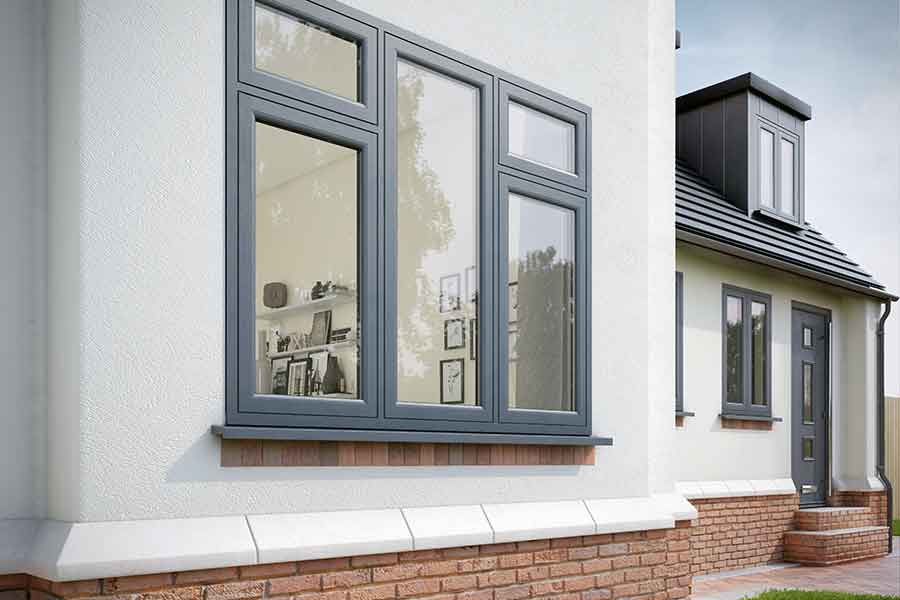
Enhancing Home Comfort and Security: A Comprehensive Guide to uPVC Windows
The choice of glazing is crucial when evaluating the elements that influence both the structural integrity and aesthetic appeal of a residential property. In recent decades, the transition to uPVC windows has reshaped the British architectural scene, providing a refined alternative to conventional materials. These fixtures have established themselves as the industry standard for numerous reasons, including their outstanding thermal properties and impressive longevity. Opting for uPVC windows allows homeowners to enhance the aesthetic appeal of their house while simultaneously investing in the energy efficiency and security of their living space.
The chemical composition of uPVC windows is meticulously designed to endure the unpredictable and frequently severe British weather. In contrast to timber, which may warp, rot, or twist when subjected to continuous moisture, uPVC windows maintain their structural integrity and visual consistency throughout the seasons. The resilience of uPVC windows is a key reason for their widespread popularity throughout the United Kingdom. The material eliminates the need for the extensive maintenance linked to traditional window types, ensuring that the home’s protective barrier stays intact without the necessity for regular sanding, painting, or varnishing.
The superior thermal insulation of uPVC windows stands out as one of their most significant advantages. In a time when energy expenses are a significant worry for all households, the capacity of uPVC windows to retain heat inside the home is an essential benefit. The internal frames of contemporary uPVC windows feature multiple chambers that form pockets, serving as a barrier against the cold air from outside. This design effectively retains the warmth produced by central heating for extended durations, resulting in decreased energy consumption and reduced utility bills for individuals who choose to install uPVC windows in their homes.
Moreover, the environmental consequences of selecting uPVC windows are frequently overlooked. Although some may believe that synthetic materials are not as environmentally friendly as natural alternatives, the truth about the manufacturing process of uPVC windows reveals a different perspective. Many modern uPVC windows are completely recyclable, which means that after their extended lifespans, the materials can be reused instead of being discarded in a landfill. Furthermore, uPVC windows greatly decrease the energy needed to warm a home, thereby playing an essential part in minimising the overall carbon footprint of a household over the years.
Security is a domain in which uPVC windows significantly outperform their earlier counterparts. The robust nature of the frames, along with the advanced multi-point locking systems commonly found in most uPVC windows, offers a significant barrier to potential intruders. The material’s robustness makes it exceptionally challenging to force open or damage, providing homeowners with a sense of security. When uPVC windows of superior quality are installed properly, they create a secure seal that strengthens the entire perimeter of the building, guaranteeing that safety remains a priority alongside style.
Acoustic insulation is a frequently underestimated yet crucial advantage offered by uPVC windows. For individuals residing in bustling urban environments or close to major thoroughfares, the soundproofing features of uPVC windows can significantly enhance the living experience at home. The robust profiles and secure seals typical of uPVC windows collaborate effectively with double or triple glazing to reduce external noise. This fosters a significantly quieter and more serene indoor environment, demonstrating that uPVC windows contribute to comfort and well-being just as much as they provide physical protection and temperature regulation.
The design flexibility of modern uPVC windows allows them to enhance the aesthetic of any property, whether it be a classic Victorian terrace or a modern apartment. The era of uPVC windows being limited to a simple white finish is now behind us. Currently, uPVC windows can be produced in a wide variety of colours and textures, featuring realistic wood-grain effects that replicate the look of oak or rosewood. This enables homeowners to appreciate the timeless appearance of timber while reaping the advantages of the superior performance and minimal upkeep that uPVC windows uniquely offer.
Keeping uPVC windows looking pristine is quite easy, needing just a periodic wipe with soapy water. The simplicity of maintenance serves as a significant advantage for busy families who lack the time or resources for ongoing home repairs. uPVC windows are highly resistant to corrosion and salt erosion, making them especially ideal for coastal properties where the air tends to be damp and saline. In these circumstances, conventional metal or wooden frames would quickly degrade, while uPVC windows remain resilient and operate flawlessly for many years.
Installing uPVC windows is often seen as one of the most economical home improvements from a financial standpoint. The initial costs of uPVC windows are typically lower than those of aluminium or premium timber options, and the long-term savings are significant as well. The long-lasting nature of uPVC windows ensures that they seldom require replacement, and the enhanced curb appeal they offer can greatly boost a property’s market value. Potential buyers frequently seek out uPVC windows due to their understanding of the minimal future maintenance required and the immediate energy savings they offer.
The meticulous engineering in the production of uPVC windows guarantees a snug fit that effectively prevents draughts. This holds significant relevance in older British homes, where original windows may have become misaligned over time, permitting cold air to whistle through the gaps. Substituting these with custom uPVC windows guarantees that every area of the room maintains a uniform temperature. The use of uPVC windows effectively eliminates cold spots, fostering a healthier living environment by minimising the chances of condensation and dampness developing on internal walls.
Besides reducing heat loss, uPVC windows are also proficient in maintaining a cool environment in homes throughout the summer season. uPVC windows effectively reflect a considerable amount of solar heat, ensuring a pleasant indoor environment even during high outdoor temperatures. The dual-action temperature regulation of uPVC windows ensures they provide a reliable solution for domestic comfort throughout the year. Regardless of whether it is a frigid January morning or a muggy August afternoon, the installation of high-quality uPVC windows guarantees that the indoor environment of the home stays comfortable and consistent for everyone inside.
The durability of uPVC windows is arguably one of their most remarkable characteristics. It is not unusual for properly maintained uPVC windows to endure for thirty years or more while retaining their functional integrity. The polymers utilised in uPVC windows undergo treatment with ultraviolet stabilisers to safeguard against discolouration and brittleness caused by exposure to sunlight. This guarantees that the uPVC windows maintain their appearance after ten years, just as they did on the day of installation. The lasting nature of uPVC windows positions them as a sustainable option, greatly postponing the necessity for replacement materials.
Fire safety is an important factor in which uPVC windows excel. The materials utilised in the construction of uPVC windows possess inherent flame-retardant properties and do not facilitate combustion. In the unfortunate event of a fire, uPVC windows can assist in preventing the spread of flames, offering crucial extra minutes for occupants to safely exit the building. The natural fire resistance of uPVC windows enhances safety in the home, solidifying their role as a complete solution for contemporary building needs and safety standards.
Upon examining the evolution of window technology, it is evident that uPVC windows signify a pinnacle in domestic engineering. The blend of cost-effectiveness, design versatility, and superior performance characteristics positions uPVC windows as the ideal option for both renovation and new construction endeavours. Integrating uPVC windows into a property allows owners to meet various needs at once: securing the building, insulating the interior, and improving the exterior’s visual appeal. The extensive use of uPVC windows throughout the country highlights their dependability and the real advantages they provide to homeowners on a daily basis.
Ultimately, choosing to invest in uPVC windows reflects a commitment to quality and efficiency. Each element of uPVC windows, including the drainage channels designed to avert water accumulation and the reinforced steel inserts that enhance structural integrity, has been meticulously developed over many years. With the ongoing advancements in technology, the performance of uPVC windows is continually enhancing, providing superior insulation values and increasingly sophisticated security features. For those seeking to improve their property, uPVC windows provide an ideal combination of aesthetics and practicality that is hard to match with any other material.
In summary, the numerous benefits of uPVC windows render them a crucial factor for every property owner to consider. With a notable decrease in heating expenses and noise disturbances, along with improved security and low maintenance requirements, uPVC windows offer numerous practical advantages that enhance the everyday experiences of residents. The remarkable durability and aesthetic flexibility of uPVC windows guarantee that they will continue to be a stylish and practical element of British homes for many years ahead. Choosing uPVC windows means selecting a solution that ensures comfort, safety, and economic value for the future.


